
Find your place in the Wasatch
Salt Lake City and Park City are 35 minutes apart and feel like two different lives. This is the conversation I have with people on a first drive around town, written down: where to live, what it costs and what to check before you buy.
People move here for the mountains and stay for the ordinary days: twenty minutes from the office to a trailhead, a Saturday that starts on a chairlift and ends at dinner downtown. The hard part is that the Salt Lake Valley and the Wasatch Back offer a dozen versions of that life, and two houses at the same price can give you completely different days.
I grew up in Park City, went to Park City High, and now live in Olympus Cove. I help people sort out which side of the mountain, which neighborhood and which street fits. I work both sides, so I have no reason to steer you toward one.
Start with five questions
- What does a normal Tuesday look like? Work, school, how often you fly, and how long you will accept in a car.
- What does a great Saturday look like? A chairlift, a trailhead, a walkable dinner, a quiet yard or a tee time.
- How much of the year will you be here? A full-time home and a ski home are different purchases with different tax and rental rules.
- Which compromises can you live with? Age of home against lot size, privacy against convenience, a view against a steep January driveway.
- What will change around you? New districts and transit can lift a neighborhood or add traffic to it.
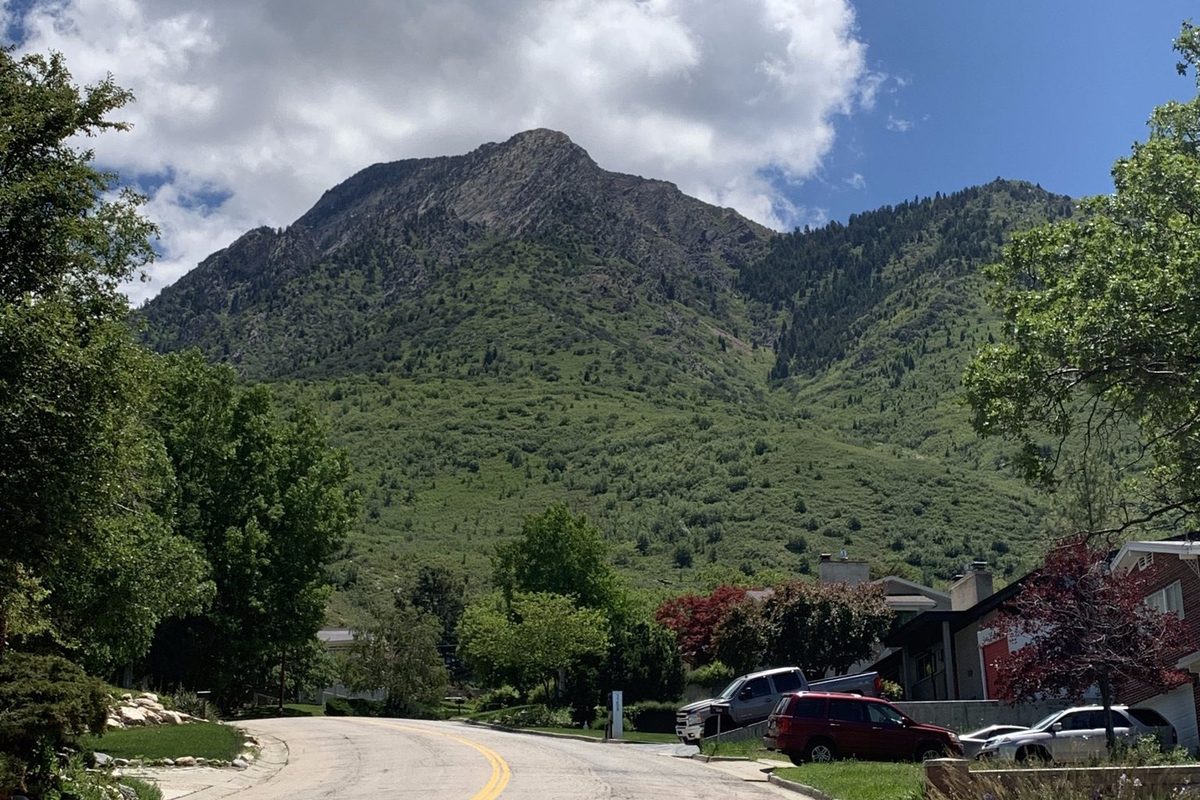
Four ways to live here
Most people end up choosing a rhythm first and a neighborhood second.
| The walkable city | The east bench | Park City | Heber Valley and Jordanelle | |
|---|---|---|---|---|
| Where | Downtown, the Avenues, Sugar House, 9th and 9th, 15th and 15th | Federal Heights to Cottonwood Heights: Olympus Cove, Holladay, Millcreek | Old Town, Deer Valley, Park Meadows, Canyons Village, Kimball Junction, Jeremy Ranch | Heber City, Midway, Hideout, Deer Valley East Village, Kamas |
| Elevation | About 4,300 ft | 4,500 to 5,500 ft | 6,500 to 8,000 ft | 5,600 to 6,500 ft |
| A Tuesday | Walk to coffee and dinner; TRAX or a short drive to work | 15 to 20 minutes to downtown, the University and most hospitals; trailheads up the street | Trails and the free town bus; 35 to 45 minutes if you work in Salt Lake | Quiet and space; about 20 minutes to Park City, 45 to 55 to Salt Lake |
| The homes | 1900s to 1940s bungalows and Victorians, condos, new towers | Mid-century ramblers, 1970s split-levels, new custom builds; bigger lots | Mining-era cottages to ski-in mountain homes; many condos and second homes | New construction, acreage, golf communities |
| Winter | Cold and sunny; inversion days on the valley floor in January | More snow than downtown; slope and driveway direction matter | Real winter; roofs and driveways need a snow plan | Cold, open valley; wind and drifting in places |
| Think twice if | You want acreage or a three-car garage | You need a flat, walk-everywhere life | You will commute to Salt Lake daily in winter | You want restaurants and errands close by |
Choose a lifestyle, not a ZIP code
This is the conversation I would have before sending you a single listing. It narrows a large market to two or three places worth seeing.
| Lifestyle priority | Shortlist | Indicative range | The trade-off |
|---|---|---|---|
| Walkable restaurants and character | 9th and 9th, Sugar House | $600K to $1.2M | Smaller lots, older homes and few listings on the best blocks. |
| Land, mature trees and privacy | Holladay, Walker Lane | $800K to $2.5M | Flag lots, creek flood zones and water shares to check on each parcel. |
| Mountain views and trail access | Olympus Cove, East Millcreek | $900K to $2M+ | Steeper streets. Sun exposure, slope and wildfire rules matter. |
| A balanced daily commute | Millcreek, Canyon Rim | $650K to $1.3M | Mid-century homes that often need plumbing and electrical updates. |
| Quick canyon ski days | Cottonwood Heights, east Sandy | $700K to $1.8M | Powder-morning traffic on Wasatch Boulevard is part of the deal. |
| Main Street and ski-town life | Old Town, Park Meadows | $1.5M to $6M | A premium for location. Parking and snow storage in Old Town. |
| A resort second home | Deer Valley, Canyons Village | Condos from $700K; ski-in homes $3M to $20M+ | HOA fees, rental eligibility and real ski access all need verifying. |
| Space and newer construction | Heber, Midway, Jordanelle | $700K to $5M | Longer drives. Construction nearby and water source to check. |
Ranges are my working estimates for single-family homes from recent sales, November 2026. Condos and townhomes run lower. Every range needs current comparable sales.
How far apart everything is
Salt Lake sits on the valley floor around 4,300 feet. The east bench climbs to 5,000 and above. Park City is near 7,000, on the other side of the Wasatch, up Parleys Canyon on I-80. Each step up means more snow and cooler summers. It also means steeper driveways and a winter commute that depends on where you are going.
| Typical drive, off-peak | Minutes |
|---|---|
| Downtown to the airport | 15 |
| East bench to downtown | 15 to 20 |
| East bench to Brighton or Solitude | 25 to 30 |
| East bench to Snowbird or Alta | 30 to 35 |
| Downtown to Park City | 35 to 40 |
| Park City to the airport | About 40 |
| Park City to Heber | About 20 |
My estimates. Add 10 to 20 minutes at rush hour and much more on a powder morning. Drive your real commute, in winter, before you buy.
Salt Lake neighborhoods, by how they live
Walk to dinner
- Downtown and the Granary. Condos and high-rises, the arena district, breweries, TRAX at the door. Check HOA reserves, rental rules and what is planned on the next block.
- The Avenues and Capitol Hill. A historic grid above downtown with Victorians and bungalows low and view homes higher up. Parking is tight and the upper streets are steep in snow.
- Sugar House and 9th and 9th. Bungalows, parks, the S-Line streetcar and a lot of independent restaurants. The growth is in the business district; the bungalow streets stay bungalow streets.
- Yalecrest and 15th and 15th. Tudors and cottages from the 1910s to 1930s under old trees. Historic-district rules can shape exterior changes, and renovating a 100-year-old home costs more than people expect.
A yard and a trailhead
- Federal Heights. Above the University, next to its hospital and Red Butte Garden. Steep driveways and game-day traffic.
- Millcreek and Canyon Rim. Mid-century ramblers on generous lots and a new town center at Millcreek Common. “Millcreek” covers very different areas, so price by street, not by city.
- Olympus Cove. Under Mount Olympus with trails from the door and views across the valley. I live here. Sun exposure, slope and wildfire rules matter on every lot.
- Holladay. Big lots and old trees, with Holladay Village and Holladay Hills for errands. Read the easements on flag lots and check the flood map near Big Cottonwood Creek.
- Cottonwood Heights. At the canyon mouths, the closest address to four ski resorts. Wasatch Boulevard backs up on powder mornings.
- Emigration Canyon. Acre-plus lots and real quiet a short drive from the University. Confirm the water source, septic, road agreement and wildfire insurance before anything else.
Newer, practical, central
- Sandy and Draper. Newer subdivisions, the Corner Canyon trails and an easy drive to the tech corridor in Lehi. Read the HOA rules and test the I-15 commute at rush hour.
- Murray and Midvale. The center of the valley, with Intermountain Medical Center and TRAX. Value and access.
- Rose Park and Glendale. The lowest entry prices near downtown and the airport, along the Jordan River Parkway.
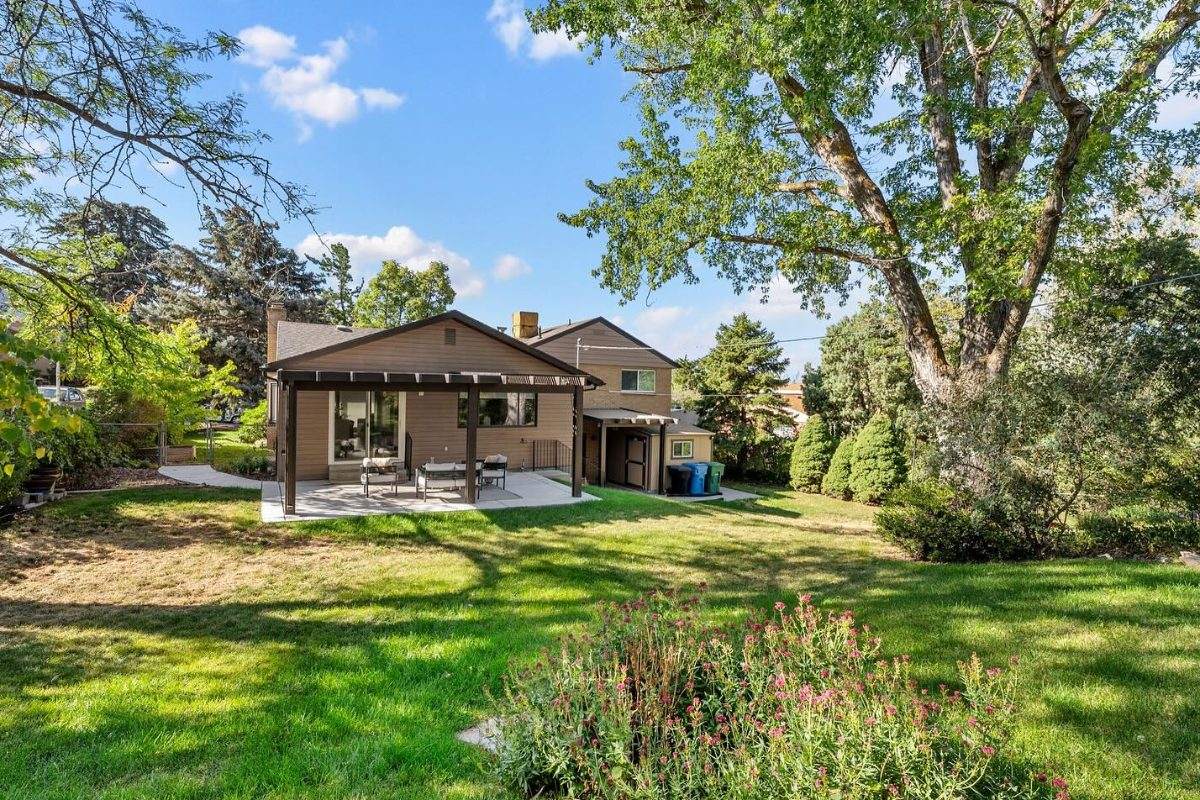
Thirteen Salt Lake neighborhoods, side by side
| Neighborhood | Indicative range | Lots | Walk | To slopes | The trade-off |
|---|---|---|---|---|---|
| Downtown, Granary | $450K to $1.2M | Condos | ●●● | 40 min | Energy and transit. Construction around the arena district for years. |
| Avenues, Capitol Hill | $700K to $2.5M | Small | ●●● | 35 | Historic charm. Tight parking and steep upper streets in snow. |
| Sugar House, 9th and 9th | $600K to $1.2M | Small | ●●○ | 30 | A dense restaurant scene. A busy core and older homes. |
| Yalecrest, 15th and 15th | $900K to $2M | Small to medium | ●●○ | 30 | Storybook streets. Renovations cost more than expected and listings are scarce. |
| Federal Heights | $1M to $3M | Medium | ●●○ | 35 | Next to the University and its hospital. Game-day traffic and steep driveways. |
| Millcreek, Canyon Rim | $650K to $1.3M | Medium | ●○○ | 30 | Bench living at better value. Mid-century homes often need updating. |
| Olympus Cove | $900K to $2M+ | Medium to large | ○○○ | 25 | Trails and views. Slope, sun exposure and wildfire rules matter. |
| Holladay | $800K to $2.5M | Large | ●○○ | 25 | Land and old trees. Flag lots, creek flood zones and teardown math. |
| Cottonwood Heights | $700K to $1.8M | Medium | ○○○ | 15 to 20 | Closest to four resorts. Powder-day traffic on Wasatch Boulevard. |
| Emigration Canyon | $1M to $3M | Acre-plus | ○○○ | 45 | Privacy. Wells, septic, private roads and fire risk to check. |
| Sandy, Draper | $600K to $1.5M | Medium | ●○○ | 20 to 30 | Newer homes and HOAs. The I-15 commute north at rush hour. |
| Murray, Midvale | $450K to $750K | Small to medium | ●○○ | 30 | Value and access. Fewer mountain views. |
| Rose Park, Glendale | $400K to $650K | Small | ●○○ | 45 | The lowest entry price near downtown. Big changes coming next door. |
“To slopes” is my estimate of an off-peak drive to the nearest major resort. Walk: three dots means most errands on foot, none means a car for nearly everything.
Park City and the Wasatch Back
Park City is a ski town with a real year-round life. A large share of its homes are second homes, and that shapes everything from rental rules to how quiet a street is in May.
- Old Town and Main Street. Mining-era cottages and modern infill on steep streets, close to the Town Lift. Parking and snow storage are the trade-off.
- Deer Valley, Empire Pass and Deer Crest. Ski-in, ski-out homes and condos. Snowmelt driveways, heated roofs and HOA services are part of the budget.
- Park Meadows, Prospector and Thaynes. The in-town, year-round neighborhoods: flatter lots, the golf course and the rail trail. Nightly rentals are limited on many streets.
- Canyons Village and Kimball Junction. The Canyons base of Park City Mountain, with a new gondola for the 2026-27 season, plus shops and a quick run to the airport. Canyons Village is still being built out.
- Jeremy Ranch, Pinebrook and Summit Park. The first exits off I-80. This is where many people who work in Salt Lake and want to live in the mountains end up.
- Private club communities. Promontory, Glenwild, Tuhaye and Victory Ranch. Membership can be required or tied to the lot, so get the current initiation, dues and transfer terms in writing.
- Deer Valley East Village and Jordanelle. The new side of the mountain. Deer Valley has more than doubled its terrain, and most of the area’s new construction is here. Buying early in a growing village means construction for years.
- Heber and Midway. More space and newer homes about 20 minutes from Deer Valley, in one of the faster-growing parts of the region.
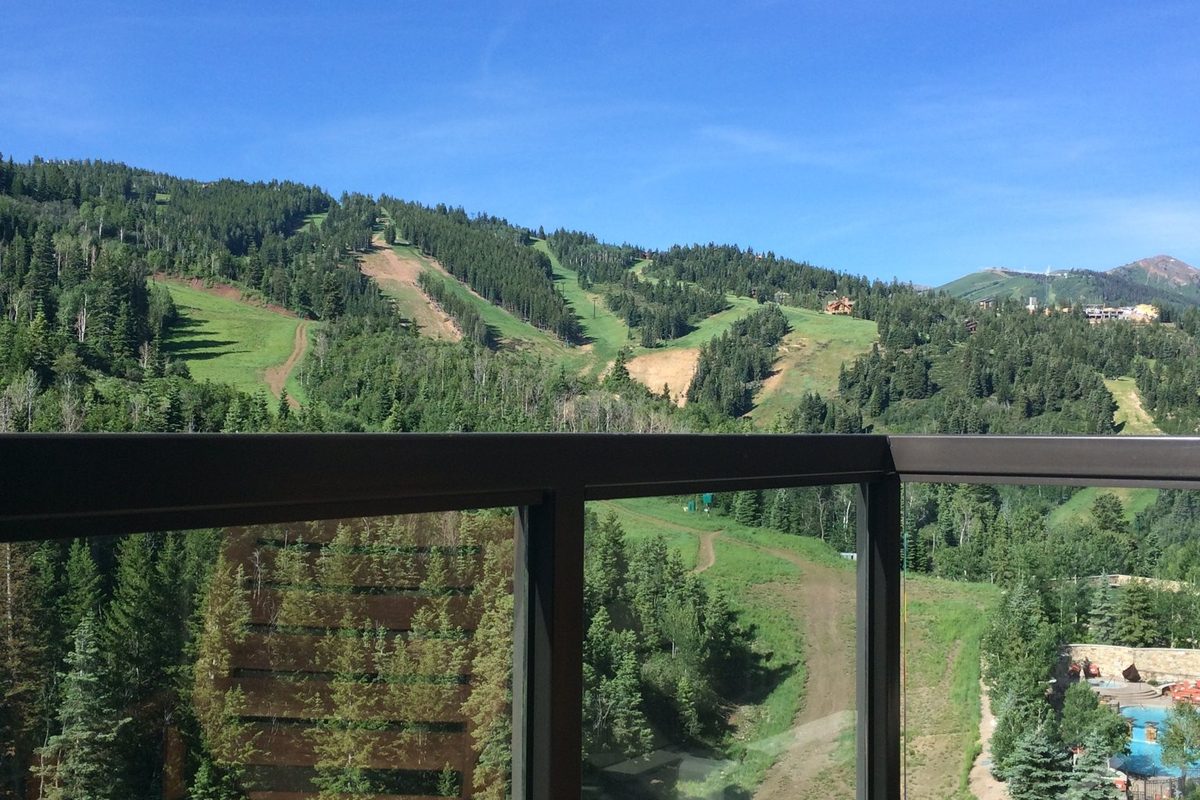
Park City and Wasatch Back price ranges
| Area | Indicative range |
|---|---|
| Old Town and Main Street | $1.5M to $6M |
| Deer Valley, Empire Pass, Deer Crest | $3M to $20M+ |
| Park Meadows, Prospector, Thaynes | $1.5M to $5M |
| Canyons Village and Kimball Junction | $700K to $3M |
| Jeremy Ranch, Pinebrook, Summit Park | $1M to $3M |
| Promontory, Glenwild, Tuhaye, Victory Ranch | $3M to $15M |
| Deer Valley East Village and Jordanelle | $900K to $5M |
| Heber, Midway, Red Ledges | $700K to $4M |
My working estimates, November 2026. Ask me for current comparable sales on any of these.
Full-time home or second home: what changes
| Primary residence | Second home | |
|---|---|---|
| Property tax | Taxed on 55% of value. Some counties make you apply; Summit and Wasatch do. | Taxed on 100% of value, roughly 1.8 times the bill. |
| Nightly rental | Usually not the point; many neighborhoods prohibit it. | Only where zoning, the HOA and a license all allow it. Lodging taxes apply. |
| Winter care | You are there to shovel, heat the house and notice problems. | Snow contracts, leak and temperature sensors, a caretaker or manager. |
More on this in my guide to buying a second home in Utah.
Utah’s rules, in plain English
- Primary-residence exemption. A home you live in, or rent to a long-term tenant, is taxed on 55% of its value. Second homes and nightly rentals are taxed on 100%. Confirm how to apply with your county assessor.
- Income tax. A flat 4.45% for 2026.
- Closing. Utah has no real estate transfer tax, and closings run through title companies.
- Wildfire fee. Starting in 2026, homes in the state’s high-risk wildland-urban interface pay a state fee. Ask about it, and about insurance, on any foothill or mountain home.
- Ownership costs people miss. HOA and club dues, snow removal, secondary irrigation water on big lots, and insurance in the foothills.
I am not a CPA or attorney. Confirm tax questions with the county, the Utah State Tax Commission or your own advisor.
Schools and everyday life
| Public school district | Areas it covers |
|---|---|
| Salt Lake City School District | Avenues, Federal Heights, Sugar House, Yalecrest, downtown, Rose Park |
| Granite School District | Millcreek, Olympus Cove, Holladay |
| Canyons School District | Cottonwood Heights, Sandy, Draper, Midvale |
| Murray City School District | Murray |
| Park City School District | Park City and the Snyderville Basin |
| Wasatch County School District | Heber, Midway, Jordanelle |
District boundaries do not follow city lines, and assignments change. Confirm every address with the district’s own school locator before you write an offer.
Hospitals. University of Utah Hospital, Huntsman Cancer Institute and Primary Children’s on the bench above the University; Intermountain Medical Center in Murray; St. Mark’s in Millcreek; Intermountain Park City Hospital; Heber Valley Hospital.
Getting around. Salt Lake City International finished its rebuild in October 2026 and is about 15 minutes from downtown and 40 from Park City. TRAX and FrontRunner serve the valley, and Park City’s buses are free. In winter, the traction law can require snow-rated tires or chains in the Cottonwood canyons.
When you arrive. Switch your driver license and vehicle registration (rules at dld.utah.gov and dmv.utah.gov; Salt Lake County requires an emissions test for most cars), and file for the primary-residence exemption if your county asks for it.
What’s changing before 2034
Salt Lake hosts the Winter Olympics in February 2034, and a lot is being built before then. A project nearby is a reason to look closer, not a guarantee of anything. I would rather you buy a home that works without any of these and treat the good ones as a bonus.
- Downtown. A rebuilt Delta Center and a new arena and convention district around it.
- East bench. Millcreek Common and Holladay Hills are giving bench neighborhoods walkable centers they never had.
- Sugar House. The S-Line streetcar is being extended to Highland Drive.
- The canyons. UDOT is planning more ski buses, a parking hub and winter tolls for the Cottonwoods.
- Park City side. Deer Valley East Village keeps adding lifts and lodging, and Canyons Village has a new gondola and parking structure.
- South and west valley. The Point in Draper and the Power District near Rose Park are both under construction.
Status as reported through November 2026. Timelines slip and plans change.
Rent first, or buy now?
| Buy now if | Rent first if |
|---|---|
| You know the region, the school and the commute | You are torn between Salt Lake and Park City |
| You expect to stay five years or more | Your job, school or timeline is still moving |
| The right home is available at a price that works | You have never lived through a Wasatch winter |
A middle path many people take: a six to twelve month rental in the area you are leaning toward, with a clear list of what would make you buy. I help with the rental too.
What I check before you fall for a house
- Land and structure. Slope, drainage and retaining walls near the Wasatch fault, plus the age of the roof, furnace, electrical and sewer line.
- Water. Culinary source, secondary irrigation shares, septic or sewer, and well records in the canyons and the Heber Valley.
- HOA, club and rental rules. CC&Rs, reserves, special assessments, transfer fees, and whether nightly rental is allowed by zoning, the HOA and a license, in that order.
- Winter function. Driveway grade and direction, who plows and when, roof snow load, and the alternate route out.
- Insurance and taxes. Property-specific quotes including wildfire, and whether the primary-residence exemption fits how you will use the home.
- What changes next door. Entitled construction, easements and access rights.
For specialist questions I bring in the right people: inspectors, a geotechnical engineer in the foothills, a real estate attorney for club and HOA documents, and your CPA for tax planning.
Common questions
Is it better to live in Salt Lake City or Park City?
It depends on your Tuesday more than your Saturday. If you work in Salt Lake every day, the east bench gives you mountains without a mountain commute. If you work remotely or want the ski town itself, Park City makes sense. Many people rent for a season before deciding.
How far is Park City from Salt Lake City?
About 35 to 40 minutes from downtown on I-80 through Parleys Canyon in normal conditions, and about 40 minutes from Park City to the airport. Storms can slow or briefly close the canyon.
Do second homes pay more property tax in Utah?
Yes. A primary residence is taxed on 55% of its value and a second home on 100%, which works out to roughly 1.8 times the bill on the same house.
What is the inversion?
Cold, hazy air that settles on the valley floor for stretches of winter, mostly in January. Higher bench neighborhoods and Park City sit above much of it.
Should I see a home in winter before buying?
If you can. Sun exposure, driveway grade and plowing decide how a house lives from December to March. If you cannot visit in winter, ask what January is like on that street.
Want to narrow it down?
We start with a phone call about how you want to live. Then we spend a morning driving the three or four areas that fit, on both sides of the mountain if that is still the question. No obligation and no pitch. To start, text me your answers to the five questions at the top of this page.
Drive times and neighborhood notes are my own working estimates, current as of November 2026. Verify school assignments, rental rules and tax eligibility for each address. Gian Sexsmith | Coldwell Banker Realty
